Saying "I'm Sorry": Why Apologies Matter in Marriage
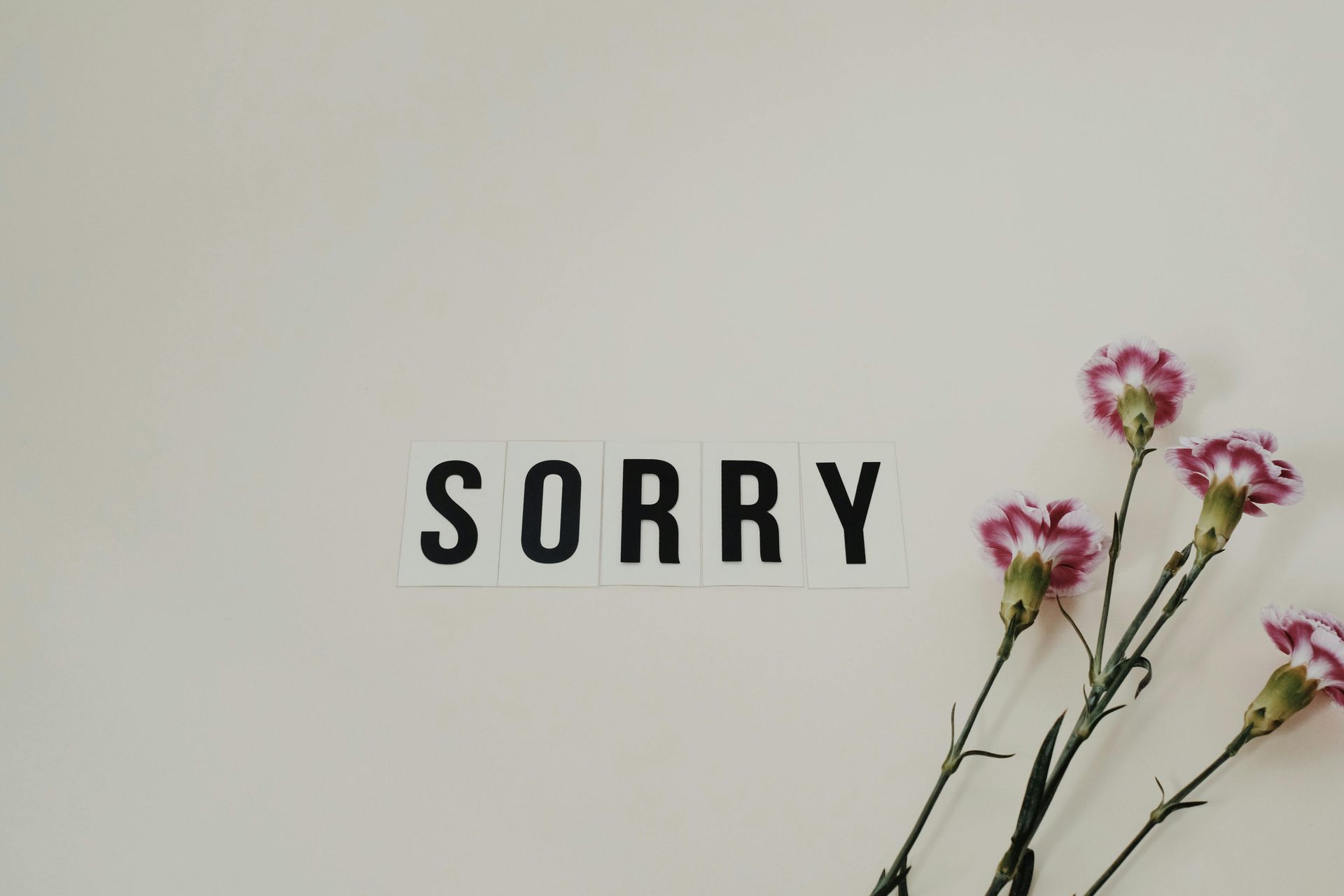
When I work with couples in marriage counseling, one of the most common struggles we address is communication during conflict. In sessions, I often guide couples through a simple but powerful exercise. Each partner takes a turn sharing how they felt during a recent disagreement or argument. After one partner explains that they felt hurt, disappointed, dismissed, or belittled, I ask the other partner an important question:
“Were you trying to make your spouse feel this way?”
The answer is almost always a clear and immediate no. Then I follow up with a second question:
“Are you sorry that your spouse felt this way as a result of what happened?”
And just as consistently, the answer is yes. This moment often shifts everything.
Why Saying “I’m Sorry” Can Feel So Hard
Many people struggle to apologize in marriage because they don’t feel they intentionally caused harm. We tend to equate an apology with admitting wrongdoing or blame. But healthy communication in relationships isn’t about proving intent — it’s about acknowledging impact.
When we slow down long enough to see a situation through our partner’s eyes, it becomes easier to say, “I’m sorry that something I did caused you pain,” even if that pain wasn’t intentional.
This kind of apology builds emotional safety. It communicates care, empathy, and connection — all essential elements of a strong and healthy marriage.
Communication Is the Root of Most Relationship Conflict
If you’re having trouble communicating with your spouse, you are not alone. Communication issues are the number one challenge couples face in marriage and long-term relationships. Unresolved conflict, defensiveness, and misunderstood intentions can slowly erode connection over time.
The good news? Communication is a skill — and skills can be learned! Through marriage counseling and couples therapy, partners can learn how to:
Express feelings without blame
Listen with empathy instead of defensiveness
Repair after conflict
Offer meaningful apologies that foster healing and trust
Learning Skills That Transform Relationships
When couples learn practical communication tools, everything changes. Conflict becomes less overwhelming. Conversations feel safer. And apologies become moments of reconnection rather than defeat.
If you’re ready to strengthen your marriage, improve communication, and learn skills that can truly transform your relationship, marriage counseling can help. You don’t have to keep having the same arguments — there is a better way forward.