How to Pick the Right Marriage Counselor in Birmingham, AL
How to Choose a Marriage Counselor in Birmingham, AL: What to Look For Before Your First Session
If you have already decided that marriage counseling could help, the next question is how to find the right fit — and that is exactly what this guide covers. In Birmingham, where both large group practices and solo therapists serve the metro area, the sheer number of listings can make the search feel harder than it needs to be. A counselor who works mostly with individuals is simply not the same as one whose caseload centers on couples, and that difference shows up quickly in session.
Is There a Difference Between a Marriage Counselor and a Couples Therapist?
The two terms describe the same work — the labels are interchangeable in most states, including Alabama, and neither title alone tells you whether the clinician is trained for couples.
What actually matters is training and caseload. Look for a therapist who lists couples or relationship work as a primary focus, mentions structured couples methods like the Gottman Method or Emotionally Focused Therapy (EFT), and describes a caseload that reflects real couples experience. EFT, for example, focuses on the emotional bond between partners and how disconnection drives conflict — a very different lens than standard individual talk therapy.
What Does 'Specialization' in Couples Counseling Actually Mean?
Specialization means more than a license — it means specific post-graduate training in how couples interact, not just how individuals think.
When you review a therapist's profile, look for named certifications or training in approaches like Gottman Method, EFT, or Discernment Counseling (designed for couples unsure whether to stay together). Also notice how they describe their work: a couples specialist uses language about cycles, patterns, and connection rather than only individual symptoms. If the bio mostly addresses anxiety, depression, or personal growth with couples mentioned as a side note, that is a signal worth weighing.
For couples with more layered dynamics — such as blended family stress or co-parenting tension — a therapist with experience in blended family counseling may be a stronger match than a general practitioner.
Questions to Ask a Marriage Counselor Before You Book
Asking direct questions before a first session helps you gauge fit and reduces the chance of starting with the wrong person. Here are five worth asking:
- What percentage of your current caseload is couples work? — A specialist typically says the majority; a lower number suggests couples are secondary.
- Which couples therapy model do you primarily use, and can you explain it briefly? — A clear, plain answer signals real training. Vagueness is a caution sign.
- Do you offer an initial consultation before committing to sessions? — Many therapists do; this is a low-stakes way for both partners to assess comfort.
- How do you handle it if one partner shares something you disagree with? — The answer reveals whether they maintain a neutral, couples-focused stance.
- What does a typical first session look like? — This question uncovers whether the intake process feels structured and thoughtful or ad hoc.
You can find more detail about what to expect when starting out on the marriage counseling services page.
Green Flags and Red Flags When Evaluating a Counselor
Certain signals reliably indicate a good match — or a mismatch worth avoiding early.
Green flags: The therapist is transparent about their approach and explains it plainly. They welcome your questions. They offer a consultation call. They acknowledge that fit matters and do not pressure you toward long-term commitment before session one.
Red flags: The counselor seems to side with one partner in early sessions. They cannot name a specific couples training or model. They give vague answers about process or timeline. They push you to sign a treatment plan before you have had a chance to ask questions. Any of these patterns in an early interaction tends to compound over time.
What to Expect in Your First Session
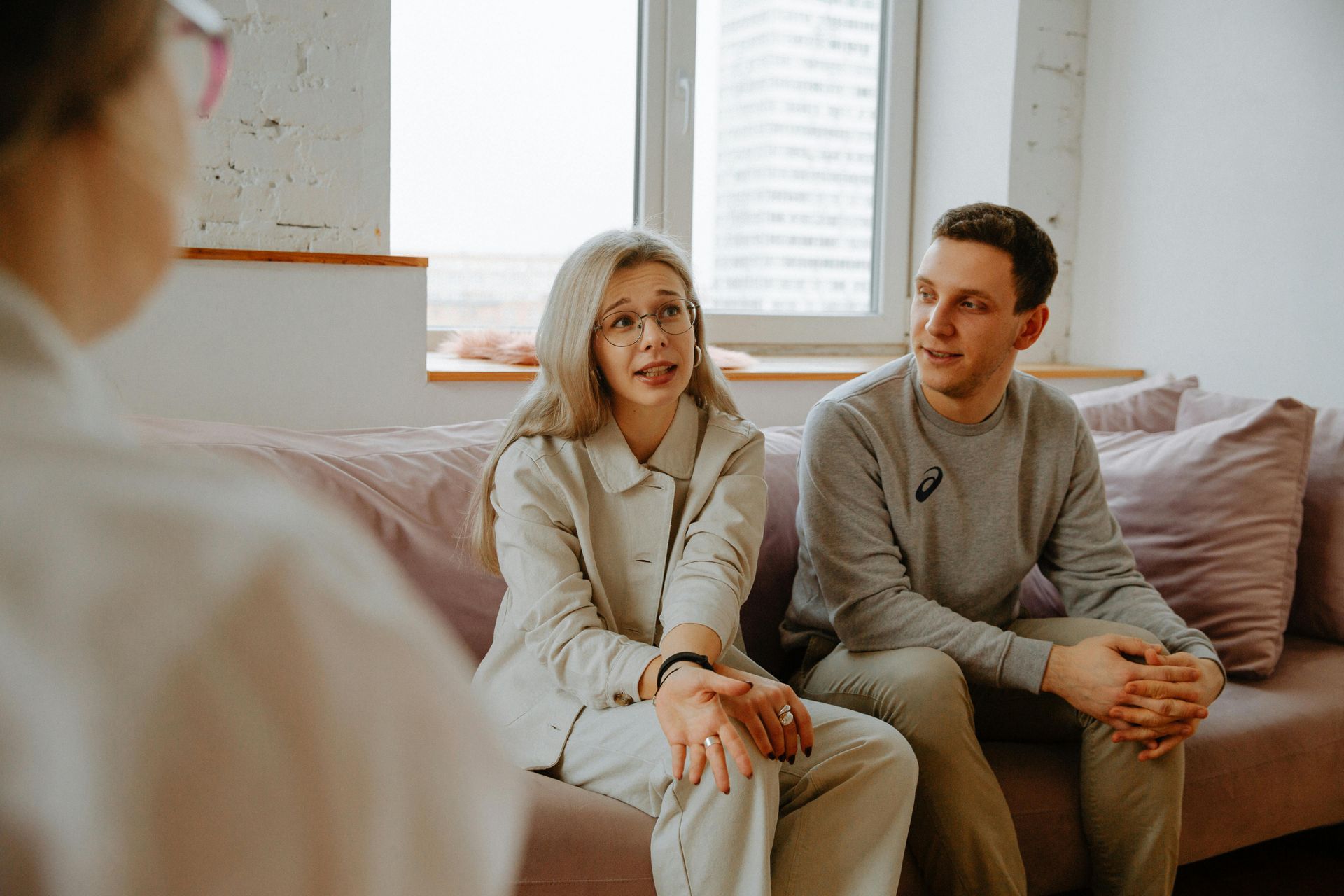
Most first sessions follow a fairly predictable structure once you know what to look for. Both partners typically attend together, complete intake paperwork beforehand, and spend the session helping the therapist understand your history as a couple and your goals for counseling.
The first session is not meant to solve anything — it is a mutual assessment. You are sizing up the therapist just as much as they are gathering information about you. Some practices conduct a joint first session, then brief individual check-ins with each partner before full couples work begins; this is common in EFT and Gottman-informed approaches.
How Many Sessions Should We Expect?
Couples counseling length depends heavily on your goals and how long the patterns you want to change have been in place — there is no single honest answer, but most couples see meaningful progress within eight to twenty sessions.
Couples working on communication patterns or rebuilding after a specific conflict often land in a shorter range. Couples addressing long-standing disconnection, infidelity, or considering whether to stay together tend to need more time. A credible therapist will give you a realistic sense of timeline once they understand your situation — not a guaranteed number, but a working estimate.
Is It Okay to Try More Than One Counselor?
Yes — trying a different counselor when the fit feels off is a sound decision, not a failure. Research on therapy outcomes consistently shows that the relationship between client and therapist is one of the strongest predictors of progress.
If after two or three sessions something still feels off — one partner feels unheard, the approach does not resonate, or sessions feel unproductive — it is reasonable to say so and explore other options. Some people find it helpful to name this directly with the current therapist, which sometimes surfaces adjustments that improve things. Either way, advocating for a good fit is part of the process.
How to Bring Up Counseling With a Reluctant Spouse
Frame counseling as an investment in the relationship rather than a response to fault. Reluctance is common and does not mean your partner does not care — it often reflects anxiety about the unknown or fear of being judged in session.
Suggest starting with a single consultation rather than asking your partner to commit to a course of sessions up front. A low-stakes first step removes much of the pressure. You might also share that individual concerns sometimes run alongside couples work — some partners find individual counseling a useful complement — which can reassure a hesitant spouse that the process is flexible, not one-size-fits-all.
Why Birmingham Couples Benefit From a Local, In-Person Practice
In-person sessions allow a therapist to observe nonverbal cues — body language, tone shifts, how partners position themselves — that a video call compresses or loses. That information shapes how a skilled couples therapist responds in the moment.
A Birmingham-based therapist also understands the local rhythms that affect couples: long commutes between suburbs like Hoover and downtown, community and cultural context, and the practical reality of fitting sessions into a busy Alabama schedule. Serving the greater Birmingham metro, including the Hoover area, means in-person access without adding a long drive to an already full week. Proximity makes it easier to keep session consistency, and consistency is one of the clearest factors in counseling outcomes.
Choosing the right marriage counselor in Birmingham means looking past availability to training, approach, and how comfortable both of you feel asking direct questions — those factors predict whether sessions actually move things forward.
Explore relationship counseling options and take your time reviewing what feels like the right fit before booking — Anne Hall Counseling welcomes those early questions.